Cybersecurity Awareness Month 2024: Key Cybersecurity Vulnerabilities End Users Should Be Aware Of
October is recognized as Cybersecurity Awareness Month, making it the perfect time to address one of the most critical gaps in cybersecurity—end user awareness. Whether they’re employees or individuals using digital services, end users are often the weakest link in security, making them prime targets for cyberattacks.
Cybercriminals are well aware of this, and they continue to target people with increasingly clever methods. To help you stay safe, we’ll walk you through the security vulnerabilities end users should be aware of and offer practical tips to avoid falling victim.
What Is an End User and Why Are They a Target?
In cybersecurity, an end user refers to anyone who interacts with a device, app, or service—be it an employee, a customer, or a regular internet user. They are often targeted by hackers because they may lack the knowledge or awareness of potential security risks. This makes end users a primary target for cyberattacks, as they often serve as an easy access point for malicious activities. In fact, according to Cloudwards, nearly 43% of cyberattacks target small businesses and individuals, as they are typically easier to deceive.
Many people assume that only large corporations or government organizations are the main targets for hackers. However, the reality is quite different. End users, including everyday individuals like you and me, are often the easiest to deceive.
Why Are End Users Targeted?
- Lack of awareness - many users are not fully educated on the risks and are unaware of how to protect themselves effectively.
- Human error - even the most advanced security systems can’t prevent mistakes like clicking on phishing links or downloading malicious attachments.
- Weak defenses - end users frequently use weak passwords or fail to implement security features like two-factor authentication (2FA), leaving them vulnerable.
By understanding and addressing these vulnerabilities, you can take proactive steps to safeguard both yourself and your sensitive information. Next, we'll explore the most common threats end users face and practical steps you can take to safeguard your data.
Common Security Vulnerabilities End Users Should Know
End users should be aware of security vulnerabilities like phishing, malware ransom, weak passwords, and unsecured Wi-Fi. These threats can lead to data theft, financial loss, or compromised devices. Using strong passwords, secure networks, and being cautious with suspicious emails can help protect against these risks. Staying informed is key to staying safe online.
1. Phishing Attacks
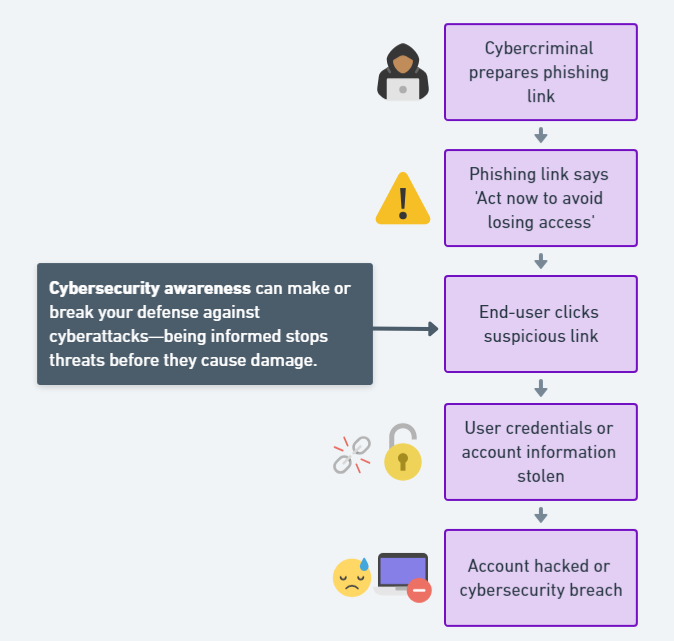
What is Phishing? Phishing occurs when a cybercriminal sends deceptive emails or messages, posing as a trusted source like a bank or well-known service. Their goal? To trick you into revealing sensitive information such as passwords, credit card numbers, or personal data, which they can use for fraudulent purposes. This is one of the most common methods hackers use to exploit individuals' trust and access private information.
How to Spot Phishing
- Look closely at email addresses - hackers often use addresses that look similar to trusted companies but may contain slight typos or extra characters.
- Watch out for urgent language - in emails or messages, phrases like “Your account will be closed!” or “Act now to avoid losing access” are common tricks used by scammers.
- Hover over links - before clicking, hover over links to see if they lead to the actual website.
How to Protect Yourself
- Avoid clicking on unrecognized or suspicious links in emails or messages.
- Verify the sender before responding to any requests for sensitive information.
- Enable 2FA or two-factor authentication to add an extra layer of security to your accounts.
2. Malware and Ransomware
Malware refers to harmful software designed by hackers to disrupt, damage, or gain unauthorized access to your devices, like smartphones or computers. It includes threats like viruses and spyware.
Ransomware is a type of malicious software that prevents access to your files or systems, typically by encrypting them, and demands a payment (a ransom) in exchange for restoring access. It often encrypts your important data, putting you in a tough spot. Being aware of these cybersecurity threats is important for protecting your devices and data.
What Can Malware Do?
- Steal your data - hackers can access and steal sensitive information, such as passwords or financial details.
- Control your device - in some cases, they may use your computer as part of a larger attack network (botnet).
- Demand payment - ransomware can lock your files, and the attacker will demand a payment to unlock them.
How to Stay Safe
- Keep your software up to date. Many malware attacks take advantage of security weaknesses found in outdated software.
- Use reliable antivirus software that routinely scans your system for malware.
- Backup your data regularly to minimize the damage from ransomware attacks.
Mobile App Vulnerabilities
When developing mobile applications, security must be a priority to prevent issues like malware or unauthorized access. If you're unsure how to incorporate the necessary security measures, consider consulting professional mobile app development services that can help implement strong encryption, secure authentication, and regular updates to keep your app resilient against cyber threats.
3. Weak Passwords and Reused Passwords
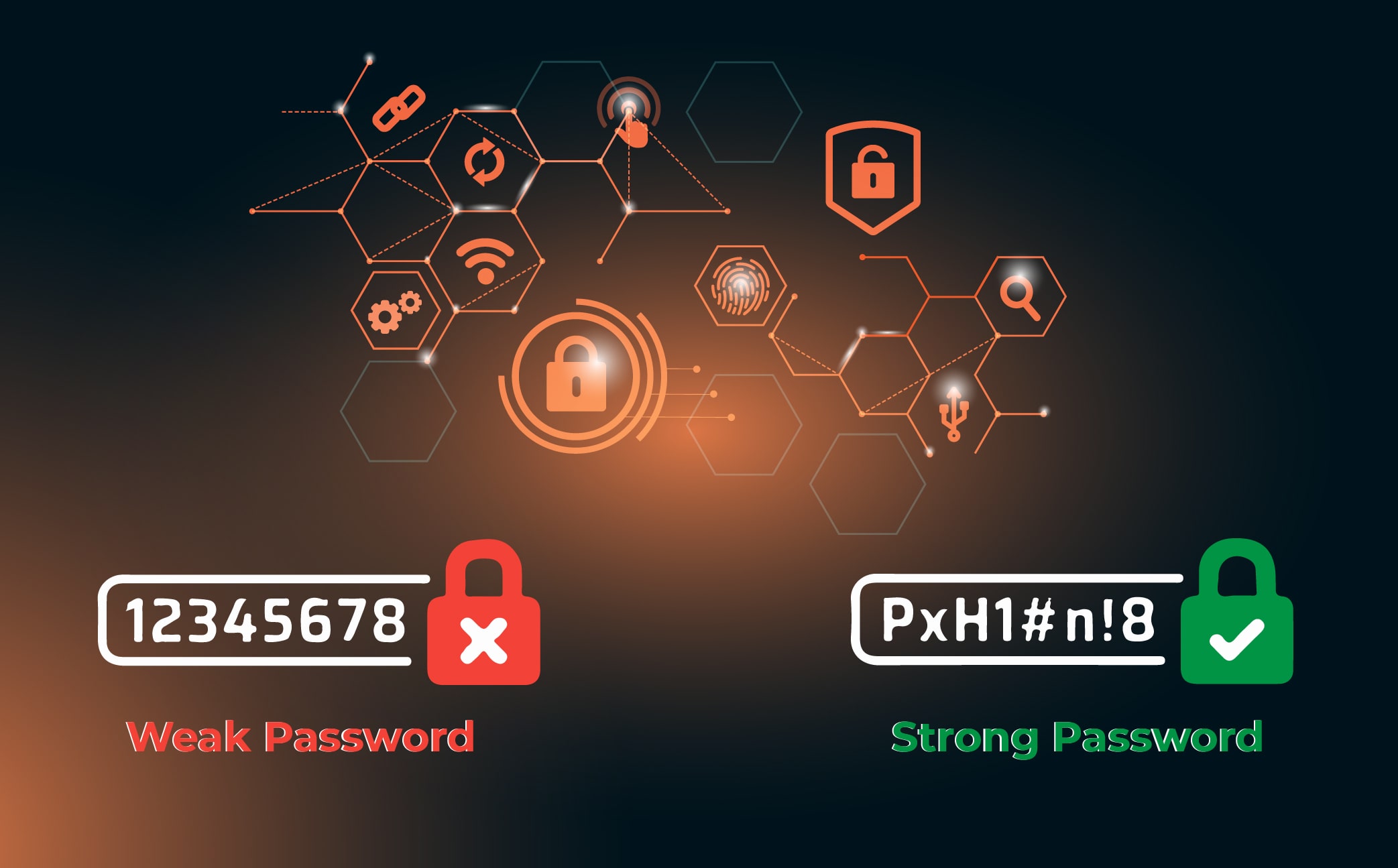
Weak passwords are vulnerable to guessing or cracking, often because they are too short or use easily predicted words. Reusing similar passwords for different accounts increases your cybersecurity risk significantly. Once a hacker breaks into one account, they can potentially gain access to all your accounts sharing that password, putting your sensitive information at risk across multiple platforms.
In fact, 81% of hacking-related breaches involve weak or stolen passwords, according to Verizon’s Data Breach Investigations Report. This makes weak and reused passwords a major cybersecurity vulnerability. Creating strong, unique passwords for each of your accounts is essential for safeguarding your personal data.
Why Are Weak Passwords a Problem?
Weak passwords pose a serious problem because cybercriminals can easily crack them using methods like brute force attacks. In these attacks, hackers rapidly test millions of common password combinations until they find the right one. Simple passwords like "12345678" or "password123" make it even easier for hackers to crack. The weaker and more predictable a password is, the quicker cybercriminals can break in using automated tools. This is why using strong, complex passwords, with a mix of numbers, letters, and special characters, is crucial for protecting your security and reducing the risk of breaches.
How to Strengthen Your Passwords
- Use a secure password manager to generate and save strong, unique passwords for each account.
- Enable multi-factor authentication (MFA) whenever possible.
- Avoid easy-to-guess passwords like “password123” or “yourname2024”.
Password Best Practices
- Length of your password matters - use passwords that have at least 12 characters for better security.
- Mix it up - include a combination of symbols, numbers, and both uppercase and lowercase letters to make it more difficult to crack.
- Avoid reusing passwords - if one account is at risk, you don’t want all your accounts to be compromised with it.
4. Insecure Wi-Fi Networks
Insecure Wi-Fi networks, like those found in public places, lack proper security, allowing hackers to intercept data sent over the connection. This exposes sensitive information, such as personal details and passwords, to potential theft or misuse by cybercriminals. Without encryption, any data you transmit can be easily accessed by attackers, making these networks a major cybersecurity threat.
The Risks of Public Wi-Fi
- Man-in-the-middle attacks - hackers can intercept communication between your device and the website you’re accessing.
- Unencrypted data is vulnerable - if your Wi-Fi network doesn’t encrypt information, anything you send, such as login credentials or personal details, can be stolen by hackers.
How to Protect Yourself on Public Wi-Fi
- Use a VPN (Virtual Private Network) to secure and encrypt your internet activity.
- Avoid logging into sensitive accounts (like banking) while on public Wi-Fi.
- Turn off automatic connections by disabling auto-connect to prevent your device from joining insecure networks.
Emerging Cybersecurity Vulnerabilities to Watch
One might wonder, "What are the latest cybersecurity threats I should be aware of?" As technology continues to evolve, so do the security threats we face online. Three of the most concerning cybersecurity gaps right now are social engineering, AI/ML (Artificial Intelligence/Machine Learning) risks, and IoT (Internet of Things) vulnerabilities.
Social engineering involves manipulating people into giving up sensitive information, while many IoT devices—such as gadgets we use at home—often come with vulnerable security. Plus, as AI and machine learning become more common, they bring new risks that we need to watch out for. Staying informed about these online threats can help protect your devices and data.
1. Social Engineering
Social engineering attacks exploit human behavior rather than targeting technical systems. These attacks often involve someone posing as a trusted figure, such as a customer service representative, or sending convincing emails that appear legitimate but are actually deceptive. Social engineering is responsible for 33% of all data breaches, as reported by UpGuard. This shows how dangerous these attacks can be, relying heavily on exploiting human trust rather than technical loopholes.
- Be skeptical of unexpected requests - if someone asks for sensitive info, take a moment to verify who they are.
- Think twice before sharing personal details - only give out information if you’re absolutely sure it’s necessary.
2. AI/ML Vulnerabilities
With AI and machine learning popping up in more places, hackers are finding clever ways to misuse them. They can feed bad data into these systems to manipulate results or even mess with the data used to train AI models.
- Protect your AI systems - ensure the data you used is secure and continuously monitor your systems for any unusual activity.
- Build strong defenses - use advanced tools to make your AI models more resistant to tampering.
If you're looking for AI or ML development, it's important to include strong security measures to protect your systems. To ensure your AI models are safeguarded from potential threats, consulting an AI/ML development service can help you implement advanced tools to keep your AI systems secure and resilient against evolving cyber risks.
3. IoT Vulnerabilities
Smart devices, like your security camera, thermostat, or voice assistant, are super convenient, but they can also be weak links in your network’s security. Many don’t have strong built-in defenses, making them attractive targets for hackers.
- Update your devices regularly - make sure you’re installing updates to fix any security gaps.
- Create strong, unique passwords for each account and device - change default settings and use lengthy, unique passwords to keep each device secure.
How Can People Protect Themselves From Cyber Attacks?
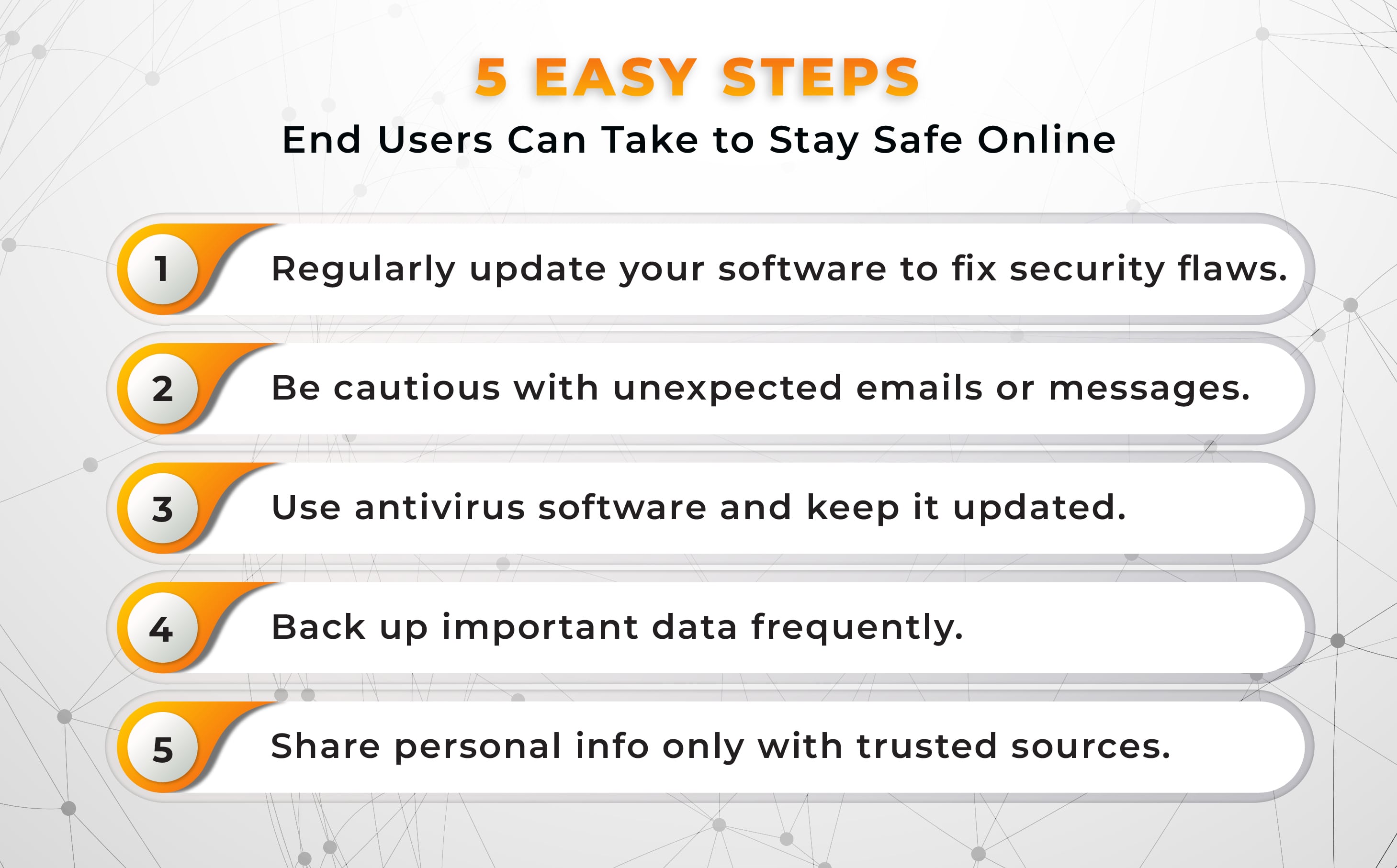
Wondering how to protect yourself from cybersecurity vulnerabilities? You’re on the right track. Staying safe and protected online doesn't have to be complicated. By taking a few straightforward precautions, you can significantly reduce your chances of becoming a victim to cyberattacks:
- Update your device and software regularly - always install the latest security patches to address known vulnerabilities.
- Be cautious with unexpected emails or messages - avoid clicking on suspicious links or attachments from unknown senders.
- Use trusted antivirus software - keep it updated to protect against malware and other threats.
- Back up important data frequently - frequent backups ensure you can recover your files in the event of a cyberattack.
- Protect your personal information - only share it with trusted sources to guard against phishing scams and identity theft.
Protect Yourself This Cybersecurity Awareness Month
October is Cybersecurity Awareness Month, making it the perfect time to prioritize your online security. End users should be aware of security vulnerabilities such as phishing, ransomware, weak passwords, and insecure networks. By recognizing and mitigating these risks, you can significantly lower the likelihood of falling prey to cyberattacks.
At The Praetors, we're dedicated to helping both individuals and businesses stay protected. Start by reviewing your cybersecurity practices today. Need expert guidance? Contact The Praetors for personalized advice and solutions tailored to your software development and cybersecurity needs. Let's work together to make your digital life safer!